Landscape Maintenance Upgrades That Improve Outdoor Living

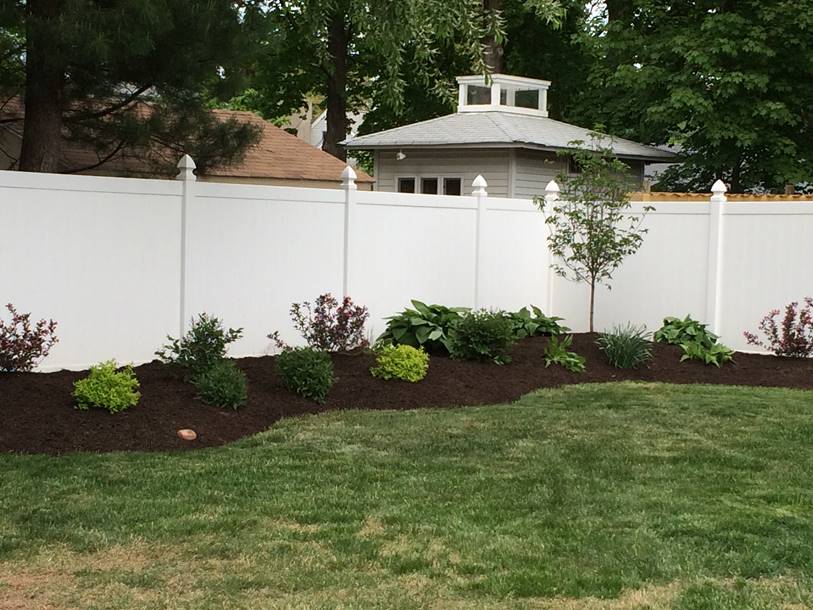

A yard can look fine from the street and still fall short where it matters most, in the daily experience of using it. That gap shows up all the time. A patio is technically large enough, but the afternoon sun makes it miserable by 3 p.m. The lawn stays green, yet every rain leaves a muddy strip along the walkway. Beds are freshly mulched in spring, then by July the irrigation is wasting water on pavement while shrubs struggle at the root zone. Good outdoor living rarely comes from one dramatic renovation. More often, it comes from thoughtful Landscape Maintenance upgrades that solve recurring annoyances and make the space easier, cleaner, and more enjoyable to use.
That distinction matters because maintenance is often treated as the unglamorous side of landscaping, something separate from design. In practice, the two are tightly linked. The best maintained properties usually feel better to live in because maintenance decisions shape comfort, access, drainage, shade, privacy, and plant performance over time. A homeowner may start with routine mowing and seasonal cleanups, then realize the real opportunity is improving the framework that supports those services. Sometimes the smartest upgrade is not a new feature at all. It is a grading correction, a bed edge, a lighting adjustment, or a plant substitution that cuts labor and lifts the whole experience.
The difference between a tidy yard and a livable one
A tidy yard meets basic expectations. Grass is cut. Weeds are controlled. Leaves are removed. Outdoor living asks more of the landscape. It asks whether people actually want to spend time there. It asks whether guests can move comfortably from the driveway to the back patio after dark. It asks whether the dog tracks mud inside every time it rains. It asks whether a family can sit outdoors in August without roasting in full sun.
That is where maintenance upgrades earn their value. They reduce friction. One client I worked with had a backyard that looked pleasant in listing photos but stayed mostly unused. The reason was simple. Their mower path had gradually worn a compacted track beside the patio, water pooled there after irrigation, and mosquitoes lingered in the damp edge. We corrected the grade, reworked the bed line, improved air movement with selective pruning, and changed the irrigation runtime. None of those adjustments would make a dramatic before-and-after reel. Together, they turned the area into a place where the family actually ate dinner.
Outdoor living improves when maintenance becomes more intentional. Instead of preserving a flawed setup, you refine the site so each season runs more smoothly.
Irrigation upgrades that make landscapes comfortable, not just green
Irrigation is one of the clearest examples of maintenance influencing quality of life. Many systems are set once and forgotten. Heads drift out of alignment, spray patterns overlap, and runtimes stay the same long after trees mature and shade patterns shift. The lawn survives, but the rest of the property pays for it through soggy walkways, fungal pressure, runoff, and rising water bills.
A useful upgrade begins with distribution, not with fancy controls. If spray heads are hitting siding, fences, or hardscape, the issue is not technology. It is layout and calibration. Adjusting arc, replacing mismatched nozzles, and separating turf zones from shrub zones often does more than adding a smart controller by itself. Once coverage is even, automation starts to matter. Weather-based scheduling can reduce overwatering, especially in climates with inconsistent rainfall. Drip irrigation in planting beds is another practical improvement. It keeps foliage drier, reduces splash onto mulch, and delivers water where roots can use it.
The comfort side is often overlooked. No one enjoys stepping onto a patio that is still wet because the system ran too late in the morning. No one wants to host on a lawn that feels soft underfoot because the irrigation schedule was built around the hottest week in July and never adjusted for the rest of the year. Better irrigation makes the landscape feel usable, not just alive.
There is a trade-off. Smart systems still require oversight. Sensors fail, Wi-Fi connections drop, and seasonal changes need human judgment. A neglected smart controller can waste just as much water as a basic timer. The upgrade works best when it is paired with routine inspection and an owner or service provider who pays attention.
Drainage corrections are often the most valuable upgrade on the property
Homeowners usually notice drainage when it becomes a problem, but the effects start long before standing water appears. Saturated root zones weaken turf, compacted soil sheds water toward foundations, and repeated splashback stains hardscape and lower walls. Drainage also shapes how people feel in a space. A yard that stays damp for two days after rain is a yard that gets used less.
Some of the best landscape maintenance upgrades are nearly invisible once finished. Regrading a swale, adding a catch basin, extending a downspout outlet, or installing a dry creek where runoff naturally wants to travel can transform a property without changing its character. I have seen families spend years trying to revive a patchy side yard with seed and fertilizer when the real issue was roof water emptying too close to the house. Once the discharge was redirected and the soil relieved, the planting problem largely solved itself.
Permeable surfaces can help as well, especially around patios, stepping-stone paths, and low-traffic gathering areas. They are not right for every site. Heavy clay soils and steep grades need more careful planning. Still, where conditions fit, they reduce puddling and improve infiltration in a way that supports long-term usability.
The key is diagnosing cause rather than symptoms. If mulch keeps washing out, replacing the mulch is not the upgrade. If lawn edges stay soggy, adding seed is not the upgrade. Water always wins. Maintenance works better when the site is adjusted to manage it properly.
Plant editing does more for outdoor living than adding more plants
There is a common assumption that a better landscape means more planting. Often, the reverse is true. Many mature properties are overplanted, especially near entries, walkways, and patios. Shrubs crowd circulation space, perennials flop into paths, and layered foundation beds trap moisture against the house while making routine pruning a constant chore. The result can feel lush from a distance and claustrophobic up close.
Plant editing is a maintenance upgrade with immediate impact. That may mean removing one oversized shrub to restore airflow and views from a seating area. It may mean replacing thirsty annual color with durable perennials that hold structure longer into the season. It may mean choosing a tree with filtered canopy over one that drops heavy litter onto dining furniture every week.
This is where experience matters. A plant can be healthy and still be wrong for the space. A fast-growing evergreen might create privacy quickly, then become a perpetual shearing job that blocks winter light. An ornamental grass may look beautiful in September but collapse across a narrow path after heavy rain. Fragrant shrubs near a patio can be wonderful, unless they also attract a constant cloud of pollinators right where small children play. None of those plants are bad choices in the abstract. They are mismatches in specific use conditions.
The best upgrades balance beauty with behavior. Plants should support the way the space is used, how much time the owner wants to invest, and what the site can sustain without constant intervention.
Better edges and transitions change how finished a property feels
One of the fastest ways to improve outdoor living is to sharpen transitions between lawn, beds, gravel, and hardscape. Crisp edges do more than look neat. They keep mulch in place, reduce turf creep, simplify mowing, and help every zone function as intended. When those boundaries blur, maintenance time rises and the landscape starts to feel less deliberate.
Steel or aluminum edging can be useful in contemporary designs where clean lines matter. In more traditional settings, a well-cut natural bed edge may be enough if it is maintained regularly. Around patios and walkways, a narrow gravel band can control splash, improve drainage, and create a visual pause between hard surfaces and planting beds. Along service paths or https://angelolggn999.novacrestiq.com/posts/landscape-maintenance-solutions-for-busy-homeowners side yards, stabilized stone can turn a messy route into a dry, durable access corridor for trash bins, tools, or foot traffic.
These are not flashy upgrades, but they have outsized effect. I have seen a backyard feel newly renovated after nothing more than redefining bed lines, refreshing joint material between pavers, and replacing an uneven stepping-stone route with a properly compacted gravel path. The furniture was the same. The plants were mostly the same. The experience was not.
Lighting turns maintenance into hospitality
Landscape lighting tends to be sold as drama, but its real value for outdoor living is practical. It extends use, improves safety, and creates a sense of welcome that daytime landscaping alone cannot deliver. Poor lighting does the opposite. It leaves steps in shadow, glares into seating areas, and highlights the wrong things.
Upgrading lighting starts with circulation. Paths, steps, gate latches, and changes in grade should be readable without making the yard feel like a parking lot. After that, focus on atmosphere. Warm, low-level light near seating areas usually performs better than overbright fixtures trying to flood the entire yard. Tree uplighting can add depth, but only if it is balanced and shielded. A single well-placed downlight from a canopy often feels more natural than several exposed path lights lined up like runway markers.
Maintenance plays a major role here. Fixtures tilt. Lenses cloud. Mulch buries stems. Plant growth blocks beam spread. A lighting plan that looked perfect on installation can underperform two seasons later without adjustment. That is why lighting should be treated as a living system, not a one-time add-on.
For families who use their yard in the evening, this upgrade often delivers one of the highest returns in day-to-day enjoyment. It is hard to overstate how different a space feels when it can be used comfortably after sunset.
Hardscape tune-ups often outperform full replacements
Homeowners are frequently told that aging patios, walks, and retaining features need total replacement. Sometimes that is true. More often, portions of the problem can be solved with targeted hardscape maintenance upgrades. Resetting settled pavers, improving polymeric sand joints, cleaning and sealing appropriate surfaces, correcting trip edges, and stabilizing loose steps can restore both appearance and function at a fraction of the cost of demolition.
Outdoor living depends on confidence underfoot. If a guest hesitates at every uneven joint, the space does not feel relaxed. If chair legs wobble on a patio because sections have shifted, people notice. Small defects change behavior. A family may stop using one corner of the yard simply because getting there feels awkward.
There are limits. Repeated movement usually points to a base issue, poor drainage, or tree roots changing grade over time. Cosmetic repairs cannot permanently fix structural causes. Still, a careful assessment often reveals that a well-built hardscape only needs selective repair and better surrounding maintenance. That might include redirecting runoff, pruning roots only where appropriate, or changing nearby irrigation to keep the base drier.
Shade, privacy, and wind control deserve maintenance thinking
Outdoor comfort is not only about surfaces and plants. Microclimate shapes whether a yard feels hospitable. Too much western sun can empty a patio for half the day. A neighboring second-story window can make a fire pit area feel exposed. A breeze that sounds pleasant on paper can make dining unpleasant if it tunnels between structures.
Not every property needs a pergola or a wall. Sometimes the better answer lies in maintenance-minded changes. Crown thinning a mature tree may improve filtered shade where dense lower growth previously blocked airflow. Raising canopy clearance can open sightlines while preserving screening where it matters most. Replacing a row of declining shrubs with a staggered planting of mixed evergreen and deciduous material may create softer, more resilient privacy and reduce disease pressure.
The same principle applies to movable elements. Outdoor curtains, shade sails, and freestanding screens can be effective, but they only stay effective if their anchors, fabrics, and surrounding planting are maintained. Otherwise they become another weathered feature that the owner tolerates rather than enjoys.
When evaluating comfort, it helps to pay attention at different times of day. Morning coffee shade is not the same as late afternoon shade. Winter privacy needs differ from summer privacy. Good upgrades respond to those patterns rather than guessing.
The maintenance upgrades that usually pay off first
Some improvements consistently deliver more value because they touch multiple parts of the landscape at once.
- Irrigation zoning and calibration, because it improves plant health, hardscape dryness, and water efficiency.
- Drainage correction in wet spots and downspout discharge areas, because it protects both the landscape and the structure.
- Lighting focused on paths, steps, and gathering spaces, because it extends safe use into the evening.
- Plant editing around patios, entries, and windows, because it improves airflow, access, and visual comfort.
- Edge and path refinement, because it reduces mess and makes routine maintenance faster and cleaner.
The right starting point depends on the property. On one site, a drainage issue may be undermining everything else. On another, the yard may already function well but need lighting and canopy management to become a true entertaining space. Sequencing matters. There is little sense in installing new lawn or furniture before addressing the water problem that will shorten its life.
Seasonal maintenance can be upgraded to support how the yard is actually used
Routine service tends to follow a standard calendar, spring cleanup, summer mowing, fall leaf work, winter cutbacks where appropriate. Outdoor living improves when that routine is customized around use patterns rather than only plant cycles.
For example, if a family hosts graduation parties in May, pruning and mulch timing should aim for a polished look in late spring, not simply whenever the crew usually comes through the route. If children use the lawn heavily in summer, fertilization and irrigation strategies should prioritize durable growth and recovery, not just early spring color. If outdoor dining continues deep into autumn, leaf management around seating and walkways deserves more attention than ornamental beds that can wait a week.
This sounds obvious, yet it is often missed. Many properties are maintained for visual consistency from the curb, while the areas behind the house lag behind. The front foundation bed gets the seasonal annuals, while the rear dining terrace suffers from mildew on overgrown shrubs and a grill area that never quite gets cleaned up after pollen season. A better maintenance plan acknowledges where real life happens.
That may involve service add-ons such as midseason pruning, irrigation checks before heat waves, storm cleanup prioritizing entertainment zones, or container refreshes near outdoor seating. None of it is extravagant. It is simply aligned with how people live.
Knowing when a maintenance problem is really a design problem
Some landscapes stay frustrating because the owner keeps paying for upkeep on elements that were never likely to work well. Narrow planting strips under wide roof overhangs bake and dry out. Turf on steep shaded banks thins every year. Formal hedges in cramped beds constantly outgrow their space. In those cases, maintenance crews can work hard and still feel like they are losing ground.
The most effective upgrade is sometimes admitting that the original design needs revision. That does not have to mean starting over. It can mean converting a weak lawn area into a low-maintenance planting bed, replacing high-litter species near seating with cleaner performers, or expanding a cramped patio that was always undersized for the number of people using it.
This is where homeowners often save money by spending more deliberately. Instead of repeating the same seasonal fixes, they invest once in a change that reduces recurring labor and increases enjoyment for years. A classic example is the shady patch of grass between houses that never dries out and never thickens. After enough reseeding attempts, the smart move is usually a path, groundcover, or gravel utility zone, not another round of turf repair.
What to ask before making upgrades
A short set of questions can clarify priorities before any work begins.
- Where do people naturally gather now, and where do they avoid spending time?
- What recurring maintenance task feels most frustrating or wasteful?
- After rain or irrigation, where does water linger longer than it should?
- Which plants or features look good for only a short window but demand constant attention?
- What time of day or season do you most want to enjoy the yard, and what gets in the way?
The answers usually point toward the right sequence. They also reveal whether a property needs cosmetic sharpening or deeper functional corrections. A homeowner may think they need more flowers, when the real issue is no shade near the seating area. They may think they need a new patio, when the current one would work well if drainage, lighting, and circulation were improved.
A better yard is usually built through refinement
The most enjoyable landscapes are rarely the ones with the most features. They are the ones where systems work together. Water goes where it should. Plants fit their spaces. Paths stay dry. Lighting supports movement and mood. Maintenance is not fighting the site every week. It is guiding a well-considered landscape through the seasons.
That is why Landscape Maintenance upgrades matter so much. They close the gap between appearance and experience. They turn a yard from something you look at into something you use. And when they are chosen with care, they do not just reduce chores. They create more evenings outside, more comfortable mornings on the patio, and fewer small frustrations that quietly keep people indoors.
For most properties, the next meaningful improvement is not the biggest or most expensive one. It is the one that solves a real problem at the point where daily life meets the landscape.
Majestic Mowing & Landscaping LLC
Phone number: +19733975532
FAQ About Landscape Maintenance
What is landscape maintenance?
Landscape maintenance is the ongoing care, cleaning, and upkeep of outdoor green spaces to keep them healthy, safe, and attractive.
Is $100 an hour too much for landscape work?
An hourly rate of $100 is not too much for specialized or professional landscape work, though it sits at the higher end of the standard pricing spectrum.
How much do landscapers charge for maintenance?
For professional landscaping maintenance, homeowners typically pay $100 to $410 per month for recurring services, or an hourly labor rate of $50 to $100 per hour per crew member.